Why RBES Compliance is Crucial for Your Vermont Home
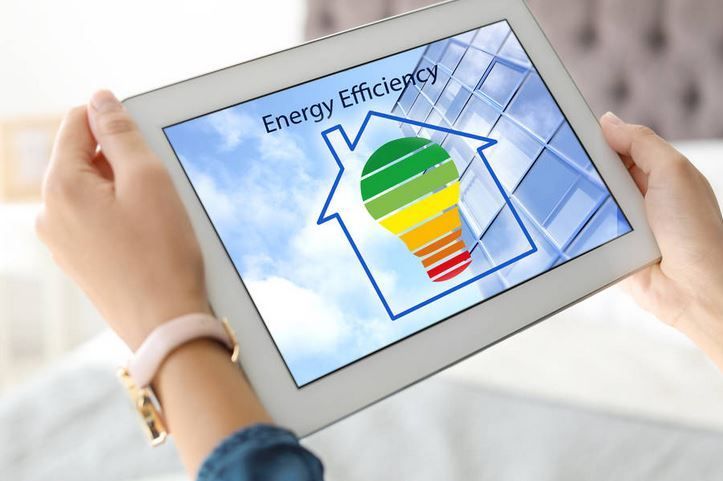
Understanding the Residential Building Energy Standards (RBES) in Vermont is crucial for anyone involved in residential real estate, from developers to homeowners. This blog will explore what RBES is, its significance, and the critical role of obtaining an RBES certificate when building or modifying homes in Vermont.
What is RBES?
RBES, or the Residential Building Energy Standards, are regulations implemented by the state of Vermont to ensure that new residential buildings and significant renovations meet specific energy efficiency criteria. Established to reduce energy consumption and promote environmental sustainability, these standards are a testament to Vermont's commitment to energy conservation and reducing the carbon footprint of its housing sector.
Key Requirements of RBES
RBES covers various aspects of a building's design and construction, including:
- Insulation levels: RBES specifies minimum insulation requirements for different parts of a building, including walls, roofs, and foundations, to ensure effective thermal resistance.
- Windows and doors: The standards set criteria for the thermal performance of windows and doors to minimize heat loss.
- HVAC systems: Heating, ventilation, and air conditioning systems must meet efficiency ratings to comply with RBES.
- Water heating: Water heating systems are also subject to efficiency standards under RBES.
The Process of Obtaining an RBES Certificate
Obtaining an RBES certificate involves several steps:
- Design phase: Ensure that the building plans adhere to RBES criteria.
- Construction phase: During construction, builders must follow the specified standards.
- Inspection and testing: After construction, a qualified energy efficiency inspector assesses the building to ensure compliance.
- Certification: Once a building passes the inspection, an RBES certificate is issued, signifying compliance with Vermont’s energy standards.
Benefits of RBES Compliance
Complying with RBES not only meets legal requirements but also offers significant benefits:
- Energy savings: Improved energy efficiency reduces utility costs for homeowners.
- Increased property value: Homes that meet or exceed energy standards often have higher market values.
- Environmental impact: Reduced energy consumption lowers greenhouse gas emissions, contributing to environmental conservation.
Challenges and Considerations
While RBES is beneficial, it presents challenges, such as:
- Initial costs: The upfront cost of complying with RBES can be higher due to the need for high-quality materials and technology.
- Finding qualified professionals: It may be challenging to find architects and builders familiar with RBES requirements.
RBES is a pivotal element of Vermont’s strategy to enhance energy efficiency in residential buildings. Obtaining an RBES certificate is not only a legal requirement but a wise investment in the property's future marketability and sustainability. For homeowners and developers alike, understanding and complying with these standards is essential for contributing to a greener Vermont.