Purchase and Sale Contracts
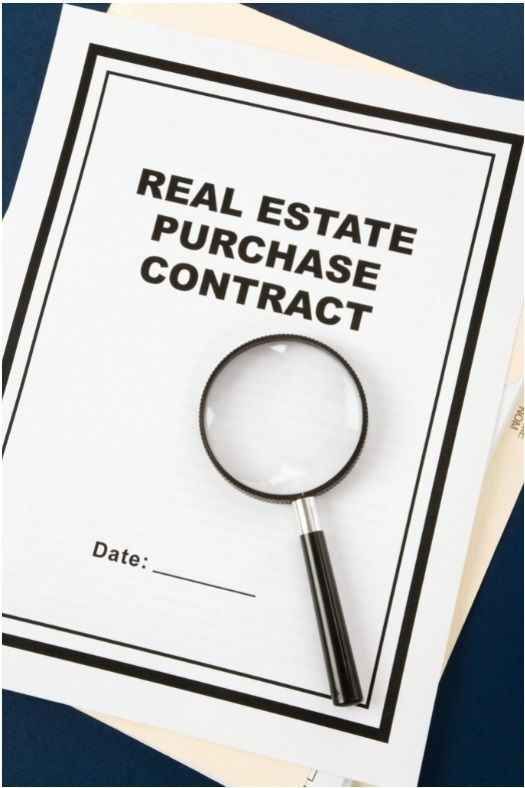
The agreement between you and the seller to purchase the property must be in writing with a document called the Purchase and Sale Contract. Our office can prepare or review the purchase and sale contract on your behalf. The purchase and sale contract is the most important document in the transaction, as it spells out the terms of the purchase and provides for certain contingencies that will protect your interests.
Any change to the agreement between you and the seller must be made by a written addendum to the purchase and sale contract. A verbal agreement to change the contract is not valid. Examples of common changes are moving the closing date, extending the time to satisfy contingencies, and concessions for inspection issues. Please let us know, and we will be happy to assist with any changes to your contract.
Please be alert to the deadlines your contract contains to satisfy contingencies or to provide notices of termination pursuant to contingencies. Your contract may contain deadlines for financing, inspections, water test, radon, appraisal and other contingencies. If the time to satisfy a contingency expires or you fail to provide a termination notice within the required time, you will lose the benefit of that contingency. If you miss the closing date in your Contract, you will be in default which can result in not being able to buy the property, losing your deposit and other damages. Our office does not track these deadlines, so we encourage you to watch these dates closely.
FREQUENTLY ASKED QUESTIONS
What Is a Purchase and Sales Contract in a Vermont Real Estate Transaction?
A purchase and sales contract is a legally binding agreement between a buyer and seller that outlines the terms of a real estate transaction in Vermont. It includes key details such as the purchase price, financing terms, contingencies, closing date, property description, and responsibilities of each party. Having an attorney review or draft the contract ensures your interests are protected and that all legal requirements are met.
Why Is an Attorney Important When Reviewing a Purchase and Sales Contract in Vermont?
Real estate contracts involve complex legal language and significant financial implications. A Vermont real estate attorney reviews the contract to confirm that terms are clear, fair, and compliant with state law. Attorneys can identify ambiguous provisions, protect your rights in negotiations, explain contingencies, and ensure that timelines and obligations are properly stated to avoid disputes before closing.
How Does a Purchase and Sales Contract Affect the Closing Process?
The purchase and sales contract sets the framework for the entire closing process. It establishes the closing date, identifies required deliverables (such as title evidence and documents), allocates costs, and outlines conditions that must be satisfied before closing. Your attorney uses the contract as the roadmap to prepare closing documents, resolve title issues, calculate prorations, and ensure a legally compliant closing.
What information is typically included in a Vermont purchase and sale contract?
A Vermont purchase and sale contract generally includes the names of the buyer and seller, the property’s legal description, the purchase price, and the closing date. The agreement may also specify financing terms, inspection rights, contingencies, and the amount of the earnest money deposit. The contract serves as the roadmap for the transaction and sets the expectations for both parties from the time the offer is accepted through closing. Because the contract establishes the legal obligations of the buyer and seller, it is important that the terms are clearly written and carefully reviewed.
What contingencies are commonly included in a Vermont purchase and sale contract?
Many Vermont purchase and sale contracts contain contingencies that allow the buyer or seller to cancel the agreement under specific circumstances. Common contingencies include financing approval, property inspections, appraisal results, and sometimes water quality or radon testing. These provisions protect the parties by allowing them to withdraw from the transaction if certain conditions are not satisfied. The contract usually includes deadlines for satisfying each contingency, so it is important for buyers and sellers to track those dates carefully.
What happens if one party fails to comply with a purchase and sale contract?
If a buyer or seller fails to perform their obligations under a purchase and sale contract, the agreement typically outlines the remedies available to the other party. These remedies may include retaining the earnest money deposit, terminating the contract, or pursuing legal action depending on the circumstances. Many contracts specify how disputes will be handled and what rights each party has if the transaction cannot proceed as agreed. Clearly written contract provisions help reduce the risk of misunderstandings and disputes during the transaction.