Essential Steps for a Successful Boundary Line Adjustment in Vermont
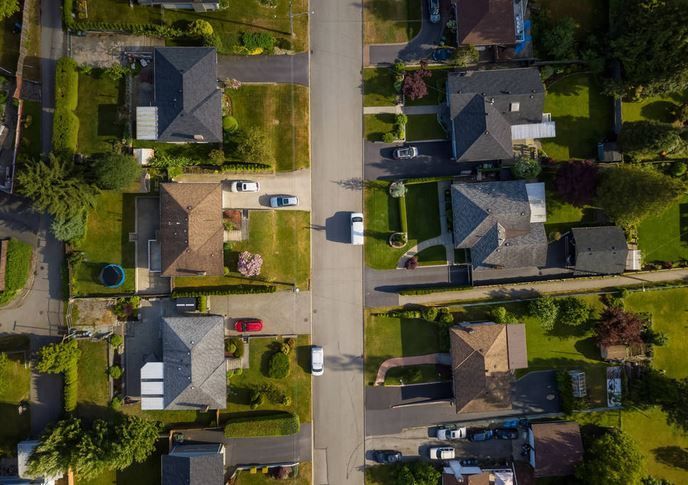
Boundary line adjustments (BLAs) are a common tool in Vermont real estate transactions, offering a practical solution for property owners looking to alter the lines dividing their parcels. Whether to resolve encroachments, adjust property sizes, or simply improve the usability of their land, BLAs can provide significant benefits. Here, we explore why a boundary line adjustment might be desirable and the key steps involved, including the need for a survey, municipal permits, wastewater permit reviews, potential Act 250 permit amendments, and the necessity of updated deeds.
Why Consider a Boundary Line Adjustment?
- Resolving Encroachments: Over time, structures such as fences, sheds, or even driveways might inadvertently cross property lines. A boundary line adjustment can legally rectify these encroachments, ensuring that all structures are on the correct property.
- Enhancing Property Utility: Adjusting the boundary line can make land more usable. For instance, a property owner might wish to increase their backyard space or align their land with natural features like rivers or ridges.
- Facilitating Property Sales: For those looking to sell part of their property, a boundary line adjustment can help create more marketable parcels. This is particularly useful in agricultural or rural areas where land use is a key consideration.
- Improving Land Management: For agricultural or forested lands, boundary line adjustments can streamline land management practices, making it easier to implement sustainable practices and improve productivity.
The Boundary Line Adjustment Process
1. Conducting a Survey
The first step in a boundary line adjustment is to hire a licensed surveyor. The surveyor will map the current property lines and the proposed changes. This survey ensures that the adjustment is accurately documented and meets all legal requirements. It’s crucial to have a detailed and precise survey to avoid future disputes and ensure compliance with local regulations.
2. Municipal Boundary Line Adjustment Permit
In Vermont, most municipalities require a boundary line adjustment permit. The property owner must submit an application to the local planning or zoning board. This application typically includes the survey, a description of the proposed adjustment, and any other relevant documentation. The municipal board will review the application to ensure that the proposed adjustment complies with local zoning laws and does not adversely affect the community.
3. Wastewater Permit Review
If the boundary line adjustment involves properties with on-site wastewater systems (such as septic systems), a review of the wastewater permit is essential. The Vermont Department of Environmental Conservation (DEC) must ensure that the adjustment will not negatively impact the existing wastewater systems or require new systems to be installed. This step is crucial to maintaining environmental standards and protecting public health.
4. Act 250 Permit Amendment
Act 250 is Vermont’s land use and development law, aimed at protecting the environment and ensuring sustainable development. If the properties involved in the boundary line adjustment are subject to an existing Act 250 permit, an amendment may be necessary. This involves submitting a request to the District Environmental Commission, outlining how the adjustment complies with Act 250 criteria. The Commission will review factors such as environmental impact, public investment, and community standards before approving the amendment.
5. Updating Deeds
Once the boundary line adjustment is approved, it is essential to update the deeds for the properties involved. This step ensures that the new property boundaries are legally recognized and recorded. The updated deeds should reflect the adjusted boundaries as detailed in the survey and permits. Properly executed and recorded deeds help prevent future disputes and provide clear, legal documentation of the new property lines. It’s advisable to work with an attorney to draft and record these deeds to ensure accuracy and compliance with Vermont law.
Boundary line adjustments are a valuable tool for Vermont property owners, providing flexibility and enhancing property utility. By following the necessary steps, including conducting a survey, obtaining municipal permits, reviewing wastewater systems, securing any required Act 250 amendments, and updating deeds, property owners can successfully navigate the process. As always, consulting with a knowledgeable Vermont real estate attorney can help ensure that all legal requirements are met and the adjustment is completed smoothly.
If you have any questions about boundary line adjustments or need assistance with your real estate needs, feel free to contact our office. We are here to help you navigate the complexities of Vermont real estate law.