What Property Owners Need to Know about the Vermont Shoreland Protection Act
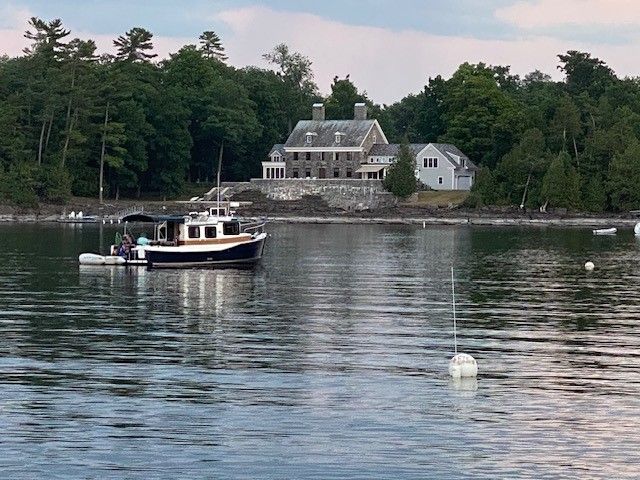
Spring is the perfect time for owners of waterfront properties to embark on improvement projects that enhance the beauty and functionality of their homes. As nature awakens, these homeowners have a unique opportunity to refresh their landscapes and make the most of their stunning surroundings. Popular improvements include installing new docks or repairing existing ones, adding outdoor living spaces such as patios or fire pits, updating landscaping with native plants that thrive in the local ecosystem and expanding living spaces.
Many of these improvements also trigger the need to comply with Vermont’s Shoreland Protection Act.
1. What is the Vermont Shoreland Protection Act?
The Vermont Shoreland Protection Act (V.S.A. 10 §1421-1428) was signed into law in April 2014. Its primary purpose is to prevent degradation of the state's shorelines and preserve their natural beauty, water quality, and overall ecological health. It achieves this by setting standards for development and vegetation within 250 feet of a lake's mean water level.
2. Who is affected?
Primarily, the SPA affects property owners who wish to develop or redevelop land located within 250 feet of the mean water level of Vermont's lakes and ponds larger than 10 acres.
3. Key Provisions of the SPA
- Permitting: Certain types of development within the shoreland zone require a state permit. This includes new construction, expansions, and the creation of impervious surfaces.
- Vegetation Zones: The SPA defines three vegetation zones within the 250-foot shoreland area: the lakeside zone, the nearshore zone, and the upland zone. Each zone has specific vegetation maintenance and planting requirements designed to protect water quality and habitat.
- Setbacks: New buildings must be set back at least 100 feet from the mean water level. There are exceptions, but they require in-depth examination and possible permitting.
- Impervious Surfaces: The SPA limits the amount and location of impervious surfaces, like driveways and patios, within the shoreland zone to minimize runoff into lakes and ponds.
4. Why is it important?
Shorelands, especially their vegetation, act as natural buffers. They absorb stormwater runoff, filter out pollutants, prevent erosion, provide habitat for wildlife, and ensure that our lakes and ponds remain clean and beautiful for all to enjoy.
5. What happens if you don't comply?
Non-compliance with the SPA can result in enforcement actions by the Vermont Department of Environmental Conservation. This can lead to fines, required remediation, and other legal consequences.
6. How can you ensure compliance?
If you own shoreline property or are considering purchasing or developing one, it's crucial to be familiar with the SPA requirements. Here are a few steps you can take:
- Seek Expertise: Before initiating any project, consult with experts like attorneys who are experienced with Vermont environmental and land-use law.
- Pre-Development Meeting: Consider scheduling a pre-development meeting with the Department of Environmental Conservation. This proactive step can help ensure your project aligns with the SPA.
- Educate and Stay Updated: Laws and regulations can evolve. Stay informed about any updates to the SPA or related guidelines.
Conclusion
The Vermont Shoreland Protection Act embodies the state's commitment to preserving its natural beauty and ecological integrity. As property owners and stewards of the land, understanding and complying with the SPA ensures a sustainable future for Vermont's invaluable lakes and ponds.
This article is for informational purposes only and does not constitute legal advice. Always consult with a qualified attorney regarding your specific circumstances.