
CLOSINGS
A real estate closing is the time at which the property is formally sold and transferred from the seller to the buyer. It is at this time that the buyer takes on the loan obligations (if obtaining a mortgage), pays all closing costs, and receives title from the seller.
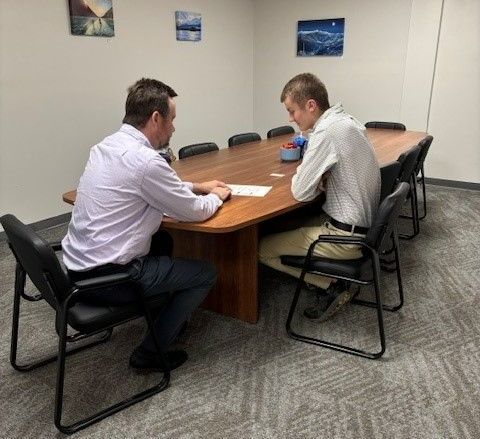
Our role at the closing is to review and have you sign the settlement statement, the transfer documents, and the various lender documents if you are obtaining a mortgage. We ask that you review the settlement statement carefully prior to and at the closing to be sure you have a good understanding of how your money will be disbursed. We also ask that you let us know if we describe any loan terms that are different than you are expecting. At the completion of the closing, either our office or the lender’s closing attorney will collect the money due from you and the lender. Checks will then be disbursed according to the Settlement Statement to pay the seller and all the closing costs. We will also provide you with copies of all the documents you signed after the closing.
What is a Closing?
Learn what happens at a Vermont real estate closing with Peet Law Group. Our attorneys explain the step-by-step process—from signing documents to recording with the town clerk—so buyers and sellers know exactly what to expect.
The following are some of the documents you are likely to see at your closing:
Promissory note:
The promissory note is the document that establishes your obligation to repay the money that you borrow to buy the property. It sets forth the interest, term of loan, and amount of monthly payment.
Mortgage:
The mortgage establishes the lien against the property and has the effect of securing the promissory note. It will be recorded in the land records with your deed and allows the lender to foreclose if you are in default with the promissory note.
Loan Application:
You will be asked to sign the final typed version of your loan application (you may have already prepared a handwritten form earlier).
Payment Letter:
Tells the buyer the breakdown and amount of the first payment and when it is due and where it is to be sent (this sets forth the actual amount of the principal and interest plus escrow for PMI, insurance, and taxes).
Name Affidavit:
To the effect that various variables of one’s name are nonetheless one and the same person.
Warranty Deed:
A written instrument duly executed and delivered by the seller for the purpose of conveying title to real estate. The warranty deed contains a covenant whereby the seller agrees to protect the buyer against any claim to the property not recited in the deed. The original will be recorded in the town or city land records.
Closing Disclosure or HUD-1 Settlement Statement:
The Closing Disclosure is a form required by the federal government that describes the loan terms and itemizes all the costs and expenses of the transaction. It discloses the purchase price, loan amount, and various closing costs and adjustments. It shows the net amount the buyer needs to bring to closing and the net amount the seller will be receiving at closing. An
HUD-1 Settlement Statement is often used with cash purchases when the Closing Disclosure is not required. It provides a summary of closing disbursements similar to the Closing Disclosure.

FREQUENTLY ASKED QUESTIONS
What Is a Real Estate Closing in Vermont?
A real estate closing in Vermont is the final legal step in a property transaction where ownership transfers from the seller to the buyer. During closing, all required documents are signed, funds are exchanged, the deed and mortgage (if any) are executed, and necessary filings are completed with the town land records. A Vermont real estate attorney oversees this process to ensure legal compliance and a smooth transfer.
Who Oversees the Closing in a Vermont Real Estate Transaction?
In Vermont, closings are typically conducted by a real estate attorney. The attorney ensures that all documents are properly prepared, executed, and recorded, title insurance is issued, and the distribution of funds is handled correctly. Using an experienced Vermont closing attorney protects your legal and financial interests throughout the transaction.
What Happens at a Real Estate Closing?
At a Vermont real estate closing, the following typically occurs:
• Review and signing of closing documents
• Exchange of purchase funds and mortgage proceeds
• Delivery of the deed to the buyer
• Recording of the deed and mortgage in town records
• Issuance of title insurance
• Distribution of closing costs and payoffs
A real estate attorney coordinates each of these steps to prevent errors and protect your rights.
How Long Does a Vermont Real Estate Closing Take?
The time required for a closing varies depending on the complexity of the transaction and lender requirements, but most residential closings can be completed in about 30 to 60 minutes once all documents are ready. A real estate attorney will prepare documents in advance and guide you through the process to minimize delays.
Where do Vermont real estate closings usually take place?
Most Vermont real estate closings take place at the office of the buyer’s attorney. In some cases, a closing may occur at a lender’s office or another agreed location, but the buyer’s attorney typically organizes the meeting and oversees the process. The closing attorney coordinates the signing of documents, ensures funds are properly transferred, and prepares the documents needed to complete the transaction.
What documents are typically signed at a Vermont real estate closing?
A number of legal documents are signed at a Vermont real estate closing. Buyers who are obtaining financing will sign mortgage documents, loan agreements, and other lender paperwork. Sellers typically sign the deed transferring ownership of the property as well as tax and closing documents. Both parties may also review and sign the final settlement statement that outlines the financial details of the transaction.
Who usually attends a Vermont real estate closing?
Several parties may attend a Vermont real estate closing. These often include the buyer, the seller, the closing attorney, and the real estate agents representing each party. If the buyer is financing the purchase, a representative from the lender may also participate. In some situations, the seller’s attorney may attend as well. The closing attorney manages the process and ensures all documents are properly signed and the funds are distributed correctly.
What role does a closing attorney play in a Vermont real estate transaction?
The closing attorney coordinates many of the final steps in a Vermont real estate transaction. This typically includes preparing closing documents, confirming that the title search has been completed, coordinating with lenders and real estate agents, and overseeing the signing of documents on closing day. The attorney also manages the transfer of funds and records the deed and mortgage in the town land records after the closing is finished.