
Young Home Buyers in Vermont: What to Know
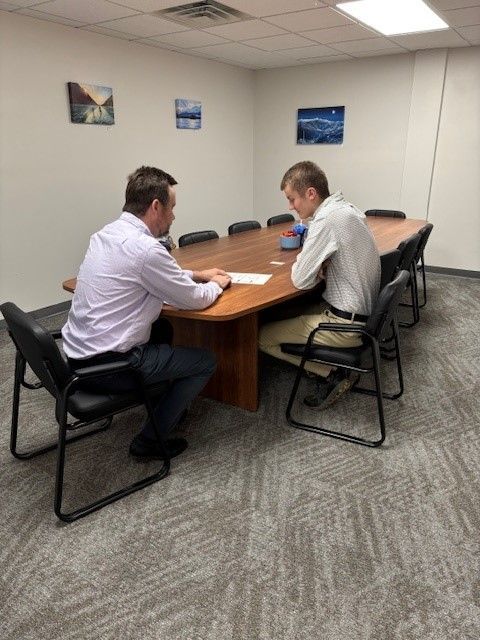
Buying a home is one of life’s biggest milestones, but many younger first-time buyers wonder: How old do you have to be to buy a house in Vermont? The short answer is that you must be 18 years old to legally enter into a binding real estate contract in Vermont. Here’s why, along with a look at what happens if someone under 18 inherits property, and the pros and cons of getting started in homeownership early.
Legal Age to Buy a Home in Vermont
Under Vermont law, a person must be at least 18 years old to sign a legally enforceable contract, including a purchase and sale agreement for real estate. Anyone younger than 18 is considered a minor and lacks full legal capacity to contract.
Because of this, mortgage lenders, title companies, and real estate attorneys will not proceed with a sale unless the buyer is 18 or older. This ensures that all parties have full legal capacity to enter and be bound by the terms of the transaction.
Why the Law Requires Age 18
Vermont, like other states, bases its age of majority on the idea that adults (18 and older) are legally capable of understanding and managing the obligations that come with homeownership. Buying a home involves complex, long-term commitments—mortgages, insurance, taxes, and maintenance—that require full contractual capacity.
At 18, an individual gains the legal authority to:
• Sign a mortgage or deed
• Take title to property in their own name
• Be responsible for taxes, liens, and insurance obligations
• Enforce or defend property rights in court
Advantages of Starting Homeownership Young
For those just reaching adulthood, buying a home early in life offers several potential advantages:
1. Building Equity Sooner: Every mortgage payment increases ownership stake in the property, creating long-term wealth.
2. Stability and Independence: Owning a home provides a sense of financial and personal stability—especially valuable for young professionals settling in Vermont.
3. Tax Benefits: Homeowners may qualify for deductions such as mortgage interest and property tax.
4. Appreciation Over Time: Vermont real estate has historically appreciated in value, particularly in desirable areas near Burlington, Williston, and the Upper Valley.
Starting young allows more years for appreciation and equity growth, which can make a significant difference in lifetime financial security.
Challenges of Qualifying for a Mortgage When Starting Out
Despite the benefits, buying a home early also comes with challenges—especially qualifying for a mortgage. Younger buyers may struggle with:
• Limited credit history: Lenders look for a consistent track record of managing debt responsibly.
• Lower income or savings: Meeting down payment and debt-to-income requirements can be difficult when starting a career.
• Student loan debt: Many young Vermonters carry educational loans, which can reduce borrowing capacity.
First-time buyers can improve their chances by saving for a larger down payment, building strong credit, and exploring programs like FHA loans or Vermont Housing Finance Agency (VHFA) assistance, which help make ownership more affordable.
What Happens if Someone Under 18 Inherits Real Estate?
A person younger than 18 cannot hold legal title to real estate in their own name in Vermont. However, if a minor inherits property—say, through a will or estate—the law provides mechanisms to protect and manage it until they reach adulthood.
Typically, one of the following applies:
• A guardian of the estate is appointed by the Probate Court to manage the property on the minor’s behalf.
• The property is placed in a trust, managed by a trustee until the minor turns 18.
• In some cases, the property can be sold under court supervision, with proceeds held for the minor.
Once the individual reaches 18, full ownership transfers to them, and they gain the right to sell, mortgage, or otherwise manage the property.
Professional Guidance Matters
Even for adults, real estate transactions involve significant legal and financial complexity. For younger buyers or families dealing with inherited property for minors, experienced legal guidance ensures that everything is handled correctly.
At Peet Law Group, with offices in Williston and Hartford (White River Junction), Vermont, our attorneys help clients of all ages navigate Vermont’s real estate laws—whether purchasing a first home, managing inherited property, or transferring title.
If you have questions about buying property or managing inherited real estate in Vermont, contact Peet Law Group at www.peetlaw.com for experienced legal guidance.
Legal Age to Buy a Home in Vermont
Under Vermont law, a person must be at least 18 years old to sign a legally enforceable contract, including a purchase and sale agreement for real estate. Anyone younger than 18 is considered a minor and lacks full legal capacity to contract.
Because of this, mortgage lenders, title companies, and real estate attorneys will not proceed with a sale unless the buyer is 18 or older. This ensures that all parties have full legal capacity to enter and be bound by the terms of the transaction.
Why the Law Requires Age 18
Vermont, like other states, bases its age of majority on the idea that adults (18 and older) are legally capable of understanding and managing the obligations that come with homeownership. Buying a home involves complex, long-term commitments—mortgages, insurance, taxes, and maintenance—that require full contractual capacity.
At 18, an individual gains the legal authority to:
• Sign a mortgage or deed
• Take title to property in their own name
• Be responsible for taxes, liens, and insurance obligations
• Enforce or defend property rights in court
Advantages of Starting Homeownership Young
For those just reaching adulthood, buying a home early in life offers several potential advantages:
1. Building Equity Sooner: Every mortgage payment increases ownership stake in the property, creating long-term wealth.
2. Stability and Independence: Owning a home provides a sense of financial and personal stability—especially valuable for young professionals settling in Vermont.
3. Tax Benefits: Homeowners may qualify for deductions such as mortgage interest and property tax.
4. Appreciation Over Time: Vermont real estate has historically appreciated in value, particularly in desirable areas near Burlington, Williston, and the Upper Valley.
Starting young allows more years for appreciation and equity growth, which can make a significant difference in lifetime financial security.
Challenges of Qualifying for a Mortgage When Starting Out
Despite the benefits, buying a home early also comes with challenges—especially qualifying for a mortgage. Younger buyers may struggle with:
• Limited credit history: Lenders look for a consistent track record of managing debt responsibly.
• Lower income or savings: Meeting down payment and debt-to-income requirements can be difficult when starting a career.
• Student loan debt: Many young Vermonters carry educational loans, which can reduce borrowing capacity.
First-time buyers can improve their chances by saving for a larger down payment, building strong credit, and exploring programs like FHA loans or Vermont Housing Finance Agency (VHFA) assistance, which help make ownership more affordable.
What Happens if Someone Under 18 Inherits Real Estate?
A person younger than 18 cannot hold legal title to real estate in their own name in Vermont. However, if a minor inherits property—say, through a will or estate—the law provides mechanisms to protect and manage it until they reach adulthood.
Typically, one of the following applies:
• A guardian of the estate is appointed by the Probate Court to manage the property on the minor’s behalf.
• The property is placed in a trust, managed by a trustee until the minor turns 18.
• In some cases, the property can be sold under court supervision, with proceeds held for the minor.
Once the individual reaches 18, full ownership transfers to them, and they gain the right to sell, mortgage, or otherwise manage the property.
Professional Guidance Matters
Even for adults, real estate transactions involve significant legal and financial complexity. For younger buyers or families dealing with inherited property for minors, experienced legal guidance ensures that everything is handled correctly.
At Peet Law Group, with offices in Williston and Hartford (White River Junction), Vermont, our attorneys help clients of all ages navigate Vermont’s real estate laws—whether purchasing a first home, managing inherited property, or transferring title.
If you have questions about buying property or managing inherited real estate in Vermont, contact Peet Law Group at www.peetlaw.com for experienced legal guidance.

Selling a Vermont home with a mortgage? Learn how your mortgage is paid off at closing, how payoff statements and discharges work, and what happens if an old mortgage appears in the land records.

Learn when a Vermont seller may cancel a home sale and what can happen if a seller refuses to close.

Learn what a low Vermont home appraisal means for buyers and sellers, including financing, price negotiations, contingencies and closing options.

Peet Law Group was named Best Vermont Law Firm in the 2026 Seven Daysies Awards for the fourth consecutive year. Thank you to our clients and industry partners.

Learn what closing costs Vermont home sellers typically pay, including real estate commissions, attorney fees, mortgage payoffs, taxes, and non-resident withholding.

Learn what to review before closing on a Vermont condo purchase, including resale certificates, special assessments, association finances, insurance, rules, and more.

Learn what closing costs Vermont home buyers pay, including transfer tax, title insurance, attorney fees, lender costs, escrow deposits, and more.

Why Every Married Vermont Homeowner Should Understand Tenancy by the Entirety

Buying or Selling a Home in Vermont? Here's What Happens After the Contract Is Signed
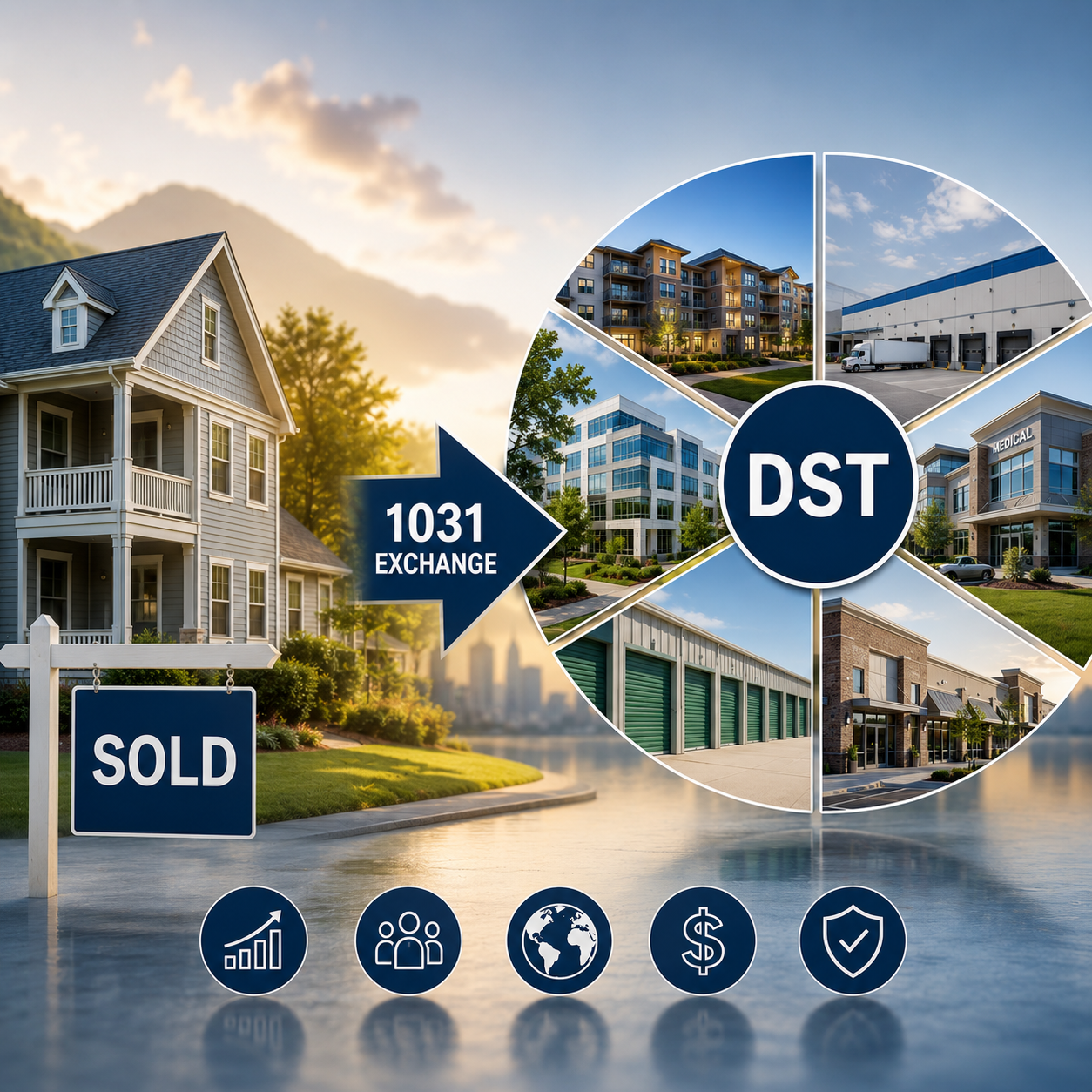
A Delaware Statutory Trust Can Help You Defer Capital Gains Taxes While Transitioning From Active Property Management to Passive Real Estate Ownership