
What's the Difference between a Warranty Deed and Quit Claim Deed?
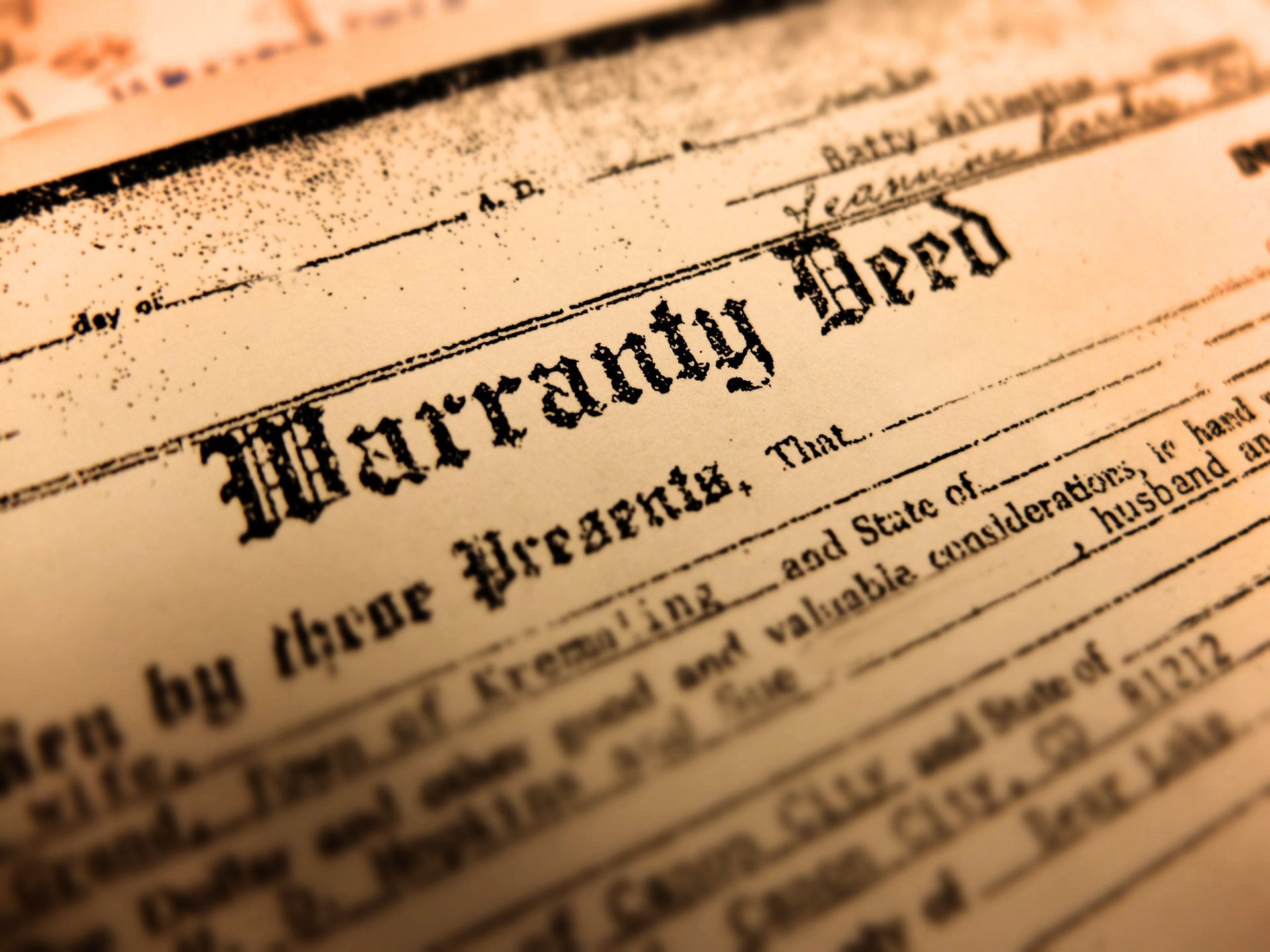
A Warranty Deed and a Quitclaim Deed are two different types of real estate deeds commonly used in Vermont.
- Warranty Deed: A Warranty Deed provides a guarantee of clear title and full ownership to the buyer. The seller warrants that there are no liens or encumbrances on the property, and that the property is being sold with full title and ownership. This type of deed is commonly used in a traditional real estate sale where the buyer wants to ensure they receive clear and marketable title to the property.
- Quitclaim Deed: A Quitclaim Deed transfers ownership from one person to another without any warranties or guarantees. The seller gives up any interest they may have in the property, but does not make any promises about the title or ownership of the property. This type of deed is often used in estate planning, family transactions, divorce settlements, and other non-traditional real estate transactions where the parties may not be concerned about the warranties of title.
In general, a Warranty Deed is used in a traditional real estate sale where the buyer wants to ensure clear and marketable title, while a Quitclaim Deed is used in non-traditional real estate transactions where the parties may not be concerned about the warranties of title.

Learn what a low Vermont home appraisal means for buyers and sellers, including financing, price negotiations, contingencies and closing options.

Peet Law Group was named Best Vermont Law Firm in the 2026 Seven Daysies Awards for the fourth consecutive year. Thank you to our clients and industry partners.

Learn what closing costs Vermont home sellers typically pay, including real estate commissions, attorney fees, mortgage payoffs, taxes, and non-resident withholding.

Learn what to review before closing on a Vermont condo purchase, including resale certificates, special assessments, association finances, insurance, rules, and more.

Learn what closing costs Vermont home buyers pay, including transfer tax, title insurance, attorney fees, lender costs, escrow deposits, and more.

Why Every Married Vermont Homeowner Should Understand Tenancy by the Entirety

Buying or Selling a Home in Vermont? Here's What Happens After the Contract Is Signed

A Delaware Statutory Trust Can Help You Defer Capital Gains Taxes While Transitioning From Active Property Management to Passive Real Estate Ownership

Buying vacant land in Vermont? Learn about zoning, septic permits, Current Use, Act 250, wetlands, flood zones, financing, and other essential due diligence tips before you buy.

Learn how Vermont attorneys resolve title defects, clear liens, address deed issues, and help buyers and sellers reach a successful closing.