
Why Vermont’s Water and Wastewater Permits Matter in Your Home Purchase
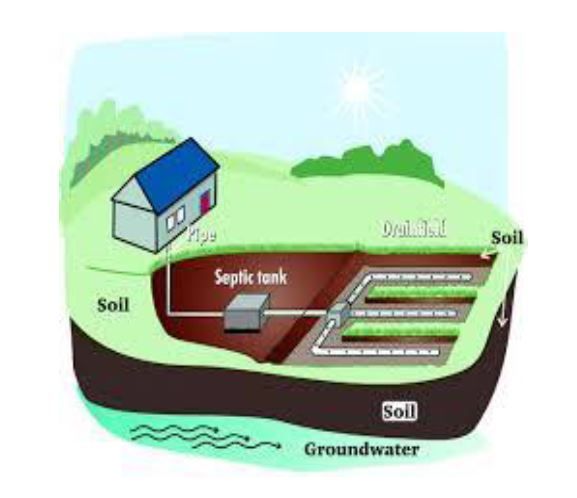
Vermont, like many states, has specific rules and regulations concerning water supply and wastewater disposal. Whether you are considering buying a home in Vermont or planning a construction project, understanding these rules is crucial.
Water Supply and Wastewater Disposal Rules and Permitting Requirements:
Vermont’s Department of Environmental Conservation (DEC) oversees the rules and regulations related to water supply and wastewater disposal. The primary goal is to protect public health, groundwater, and surface water.
- Water Supply: Before constructing or modifying any potable water supply (like wells or connection to a municipal water supply), a state permit is generally required. This ensures that the water source is safe and will not contaminate or deplete nearby sources.
- Wastewater Disposal: If you're constructing, altering, or expanding a building that generates wastewater, you’ll likely need a wastewater system and potable water supply permit. This is to ensure that sewage is disposed of in a manner that doesn’t contaminate the environment.
State permits are required for connections to municipal water and sewer lines as well as on-site wells and septic systems.
Why Include This in a Title Search?
When purchasing a home, the title search completed by the purchaser’s attorney primarily ensures that the property is free of liens, encumbrances, or ownership disputes. However, in Vermont, it's equally vital for the attorney to verify that existing water and wastewater systems are compliant with state regulations. Non-compliance could mean potentially costly upgrades or legal issues for the new owner.
Engineer Completion Certification Requirements:
After receiving a permit and completing the work, the next step is to obtain a certificate of completion. In most cases, this requires an engineer to inspect and certify that the water supply and wastewater disposal systems are installed or modified as per the approved design. This certification ensures that the system is compliant with the state's requirements and will operate safely. Locating the certificate of completion is an important step for the attorney conducting the title search at the time of purchase.
The "Clean Slate" Exemption:
Vermont has a provision known as the "Clean Slate" exemption. This allows properties with unpermitted water or wastewater systems, built before January 1, 2007, to be exempt from current regulations, given they meet specific criteria. However, if such properties undergo changes, like adding bedrooms, they may lose this exemption and be required to meet current regulations.
Changes Triggering Permit Requirements:
Several alterations or situations can trigger the need for a permit:
- Adding Bedrooms: If you're adding a bedroom to your home, even if it doesn't involve increasing the building's footprint, this can affect the capacity of the existing wastewater system, necessitating a permit.
- Septic System Failures: If a septic system fails, replacing or repairing it typically requires a permit. A failure could be evident from sewage surfacing above the disposal field, sewage backing up into the home, or contamination of nearby water sources.
In conclusion, Vermont’s rules around water supply and wastewater disposal are stringent for a reason: to ensure public health and environmental protection. Prospective homeowners should be diligent in understanding these regulations to avoid future surprises. When purchasing a home, the purchaser’s attorney will check for compliance with rules to help avoid unexpected issues later. Proper compliance not only ensures a safe living environment but also contributes to Vermont’s goal of preserving its pristine natural landscape for future generations.