How Easements Surface in Title Searches and Reports
As Vermont real estate attorneys, we've witnessed firsthand the complexities and questions that surround the topic of easements. Whether you're a homeowner or prospective buyer, understanding easements is essential in grasping how they might benefit or burden a property.
What Are Easements?
At its core, an easement is a legal right to use someone else's land for a specific limited purpose. While you don't own the piece of land, you can utilize this portion for a particular reason, be it access or utility installation. It's a complex, intangible interest in land, differing fundamentally from owning or renting a piece of property. Easements are common and often necessary, ensuring the orderly and reasonable use of land.
Different Types of Easements
Easements come in different shapes and sizes. Recognizing the variations can significantly impact both property value and utility. Here are the most common types:
- Appurtenant Easements: These are connected to the property itself, allowing the owner to use neighboring land. A common example is a driveway easement permitting one to drive through a portion of a neighbor's property to access their own. They're beneficial because they're "attached" to the land and transfer with property ownership.
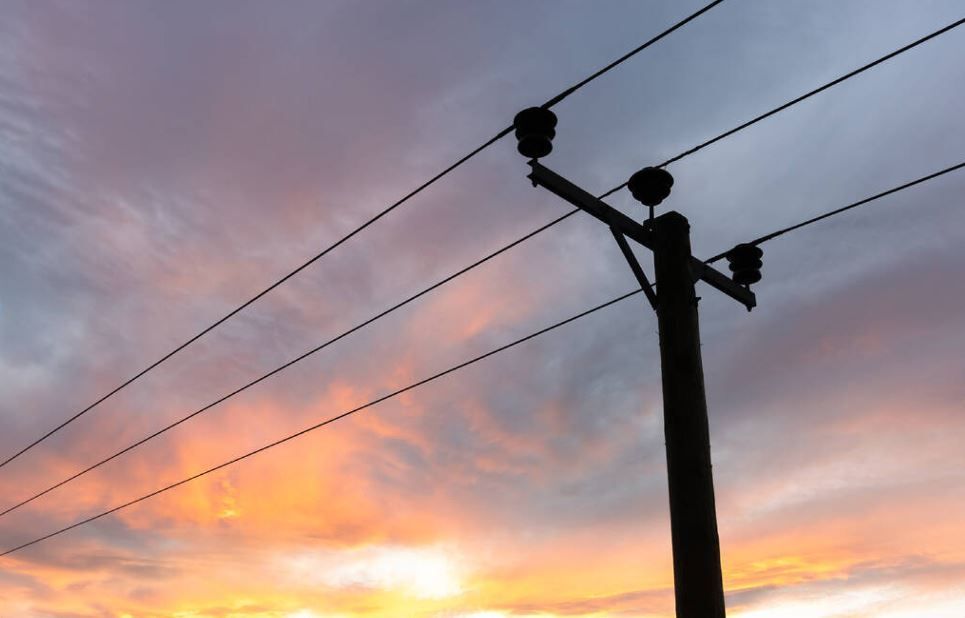
- Gross Easements: This type is linked to a specific individual or entity rather than the property. Utility companies often hold these for power lines, pipelines, or water mains.
- Prescriptive Easements: Quite contentious, these arise from continued, unauthorized use of property over time (typically 15 years in Vermont). For example, if you've been using a path through your neighbor's property for years unchallenged, you might gain legal grounds to continue doing so.
- Conservation Easements: Unique to areas like Vermont, these preserve natural resources by restricting development on a piece of property. It's a voluntary agreement to maintain the land's natural beauty, often in exchange for compensation or tax benefits.
The Double-Edged Sword: Benefits and Burdens
Easements can both add and detract value or utility from a piece of property.
Benefits: Easements can make land more accessible and usable, increasing its value. For example, landlocked property can gain access to public roads through easements, enhancing its worth.
Burden: On the flip side, easements can restrict how you use your property, potentially leading to devaluation. An easement might prohibit you from building structures where utility lines run or maintaining privacy due to a shared access driveway.
Discovery of Easements
When purchasing real estate, it’s important to learn what easements affect the property. Your attorney will conduct a title search in the town or city land records which will reveal and describe easements which may benefit or burden the property. Surveys can identify and depict the location and size of easements. Easements are often listed in the legal description of a property. This portion, usually a dense, metes-and-bounds description, may explicitly mention the existence of easements. Your attorney will provide you with a Title Opinion which will identify what is found for easements.
Conclusion
In Vermont, easements play a vital role in balancing individual property rights with broader societal and environmental needs. As picturesque as our state is, the landscape often necessitates these complex legal pathways.
However, the implications of easements can be profound, influencing property enjoyment and value. It's crucial to understand existing easements before buying property or to consider the legal implications when granting an easement. Working with an attorney to discover and report easements is vital for any prospective property owner.