Navigating Vermont's Real Estate Terrain: Tips for Vacation Homeowners
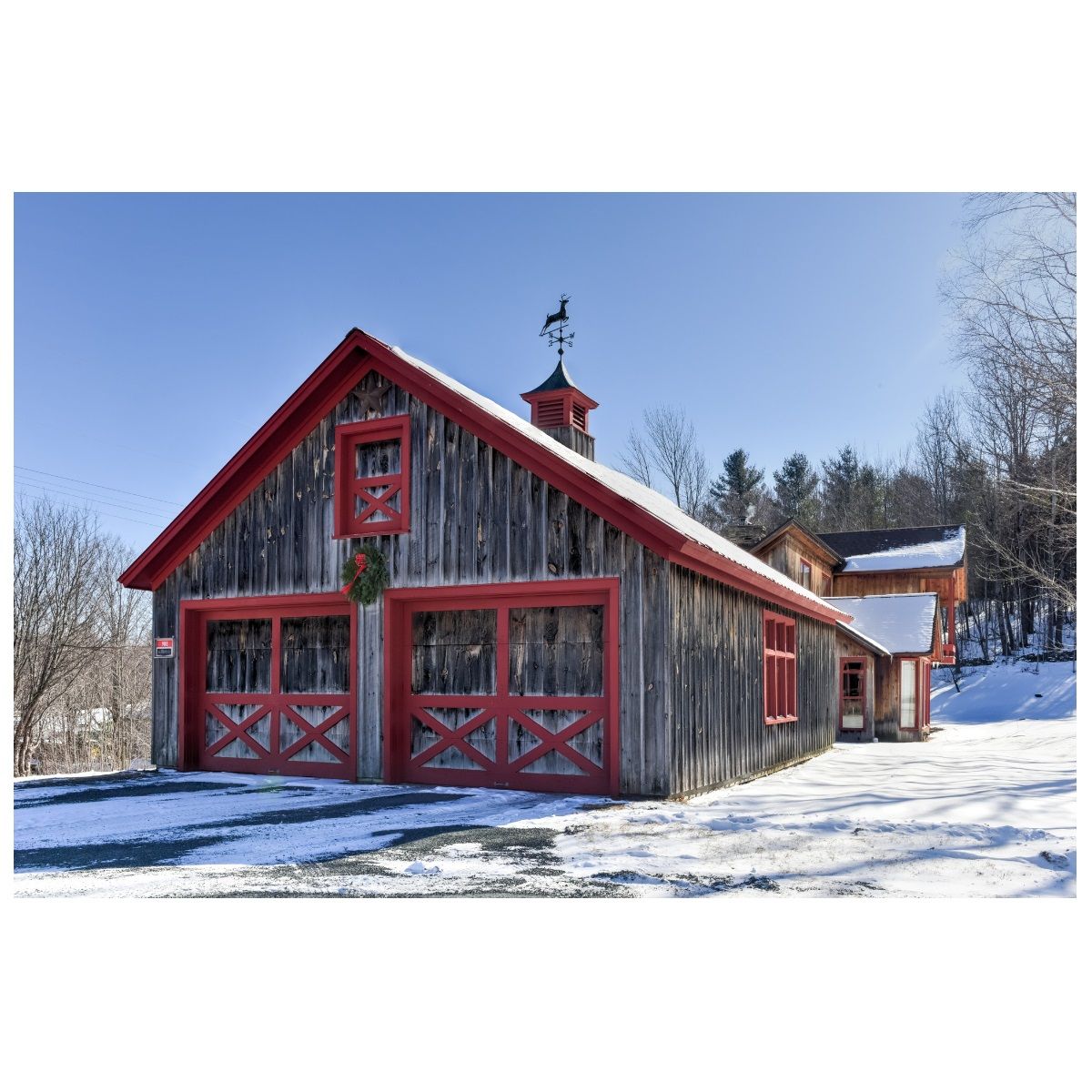
Vermont is a coveted destination for vacation home seekers. Whether you're dreaming of a cozy cabin near the ski slopes or a serene lakeside retreat, owning a vacation home in Vermont can be a fulfilling experience. However, navigating the complexities of real estate law in this region requires a thorough understanding and strategic planning. Here’s what you need to know about owning, buying, and selling vacation homes in Vermont.
1. Understanding Vermont Real Estate Laws
Vermont's real estate laws have specific provisions that pertain to vacation homes. These laws cover aspects like property taxes, land use, and zoning regulations. It's crucial to familiarize yourself with these regulations to ensure compliance and avoid legal hurdles. Consulting with a real estate attorney who is experienced in Vermont property law can provide invaluable guidance.
2. Property Taxes and Considerations
Property taxes in Vermont can vary significantly based on location and property type. Vacation homes, depending on their usage, might qualify for different tax treatments compared to primary residences. Understanding these nuances is essential in budgeting for your vacation home.
3. Environmental Regulations and Land Use
Vermont is known for its commitment to environmental conservation. This dedication is reflected in strict land use regulations, especially in areas close to natural resources like lakes and forests. Before purchasing a vacation home, investigate any environmental constraints that could impact your use of the property.
4. Buying Process: Due Diligence is Key
When buying a vacation home in Vermont, conducting thorough due diligence is critical. This includes a comprehensive property inspection, a review of title and property rights, and an understanding of any easements or restrictions. An experienced real estate attorney can assist in navigating these aspects, ensuring a smooth transaction.
5. The Selling Process: Legal and Market Considerations
Selling a vacation home in Vermont involves multiple steps, including understanding the current real estate market, preparing your home for sale, and navigating legal requirements. Legal considerations might include understanding capital gains implications, Non-resident Withholding Tax and ensuring all property disclosures are properly managed.
6. Short-term Rentals and Regulations
If you're considering renting out your vacation home, be aware of Vermont's regulations regarding short-term rentals. These regulations can include obtaining local permits, adhering to safety standards, and paying appropriate taxes. It's important to stay informed and compliant to avoid legal issues.
7. Estate Planning and Succession
Owning a vacation home in Vermont also has implications for estate planning. Considering how the property will be handled in your estate, and potentially setting up a trust or other legal entity to manage the property, can simplify future transitions.
8. Local Expertise Matters
Partnering with a local real estate attorney can make a significant difference. They can offer tailored advice, provide insights into local market trends, and ensure all legal aspects are thoroughly addressed.
Owning, buying, and selling vacation homes in Vermont can be a rewarding investment and a gateway to creating lasting memories. However, it's crucial to navigate the legal landscape with care and informed guidance. By understanding the essentials and seeking legal advice, you can ensure your Vermont vacation home journey is as serene as the state's beautiful landscapes.