
Avoiding Pitfalls in Condo Purchasing: The Importance of Resale Certificates in Vermont
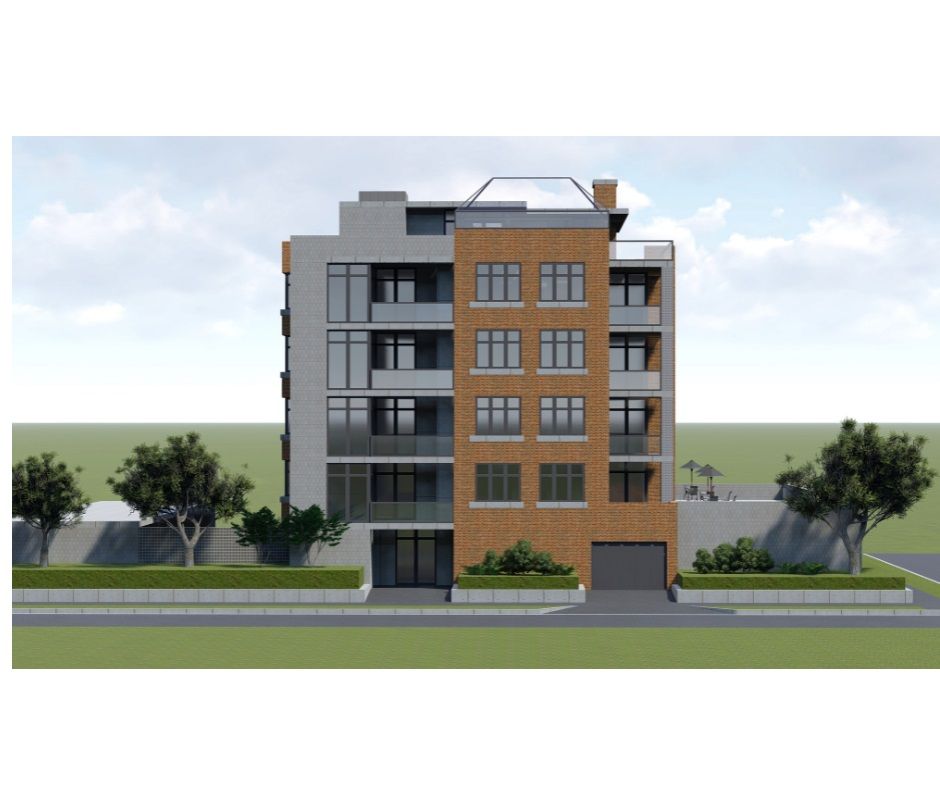
When purchasing a condominium or a home within a common interest community in Vermont, it's crucial to understand the various legal requirements and documents involved in the process. One such important document is the Resale Certificate, as required by Vermont Statute 27A VSA 4-109.
What is a Resale Certificate?
In Vermont, a Resale Certificate is a mandatory document for the resale of condominiums or homes within residential common interest communities. It is designed to provide prospective purchasers with essential information regarding the financial health, governance, and rules of the community they are considering joining. The certificate acts as a snapshot of the current conditions and operations of the association managing the property.
What's Included in the Resale Certificate?
The Resale Certificate includes vital information that can affect your decision to purchase and your life in the community. Typically, it encompasses:
- The financial status of the unit being purchased: This includes any outstanding fees or assessments against the property.
- The overall financial health of the association: Details on reserve funds, budgets, and any pending litigation or insurance claims.
- Governing documents: Such as the declaration, bylaws, rules, and regulations of the association.
- Minutes of the most recent meetings: This can provide insight into the community's ongoing issues and future projects.
- Information regarding any current or expected special assessments: This is crucial as it impacts future financial commitments.
Why are Resale Certificates Important?
Resale Certificates provide transparency and protect the buyer from unexpected obligations and expenses. They offer a comprehensive understanding of the community's management, financial status, and any potential liabilities. Without this information, a purchaser could unknowingly inherit past dues, legal problems, or underfunded reserves, leading to significant unexpected expenses.
The Benefit of an Estoppel for the Buyer
When a buyer receives a Resale Certificate from an association, they gain an important legal advantage known as an "estoppel." This term refers to a principle that prevents the association from later contradicting the information provided in the Resale Certificate. Essentially, a purchaser is not liable for any unpaid assessment or fee greater than the amount set forth in the certificate prepared by the association. Once the association issues this document, it is estopped, or legally barred, from denying the accuracy of past due fees and assessments.
For the buyer, this means added security and peace of mind. If, for example, the Resale Certificate indicates that there are no outstanding fees or assessments against the unit, the association cannot later claim otherwise and demand payment from the new owner. This estoppel effect helps to protect buyers from unforeseen liabilities.
When are Resale Certificates Provided?
Under Vermont law, the association for a condominium unit or a home within a common interest community is required to provide the Resale Certificate within 10 days of a request by the seller. The seller should then provide it to the buyer well before the closing of the sale. This allows the buyer ample time to review the document and make an informed decision.
Right to Terminate the Purchase and Sale Contract
In Vermont, if the Resale Certificate is not provided on time, or if the information it contains is unsatisfactory to the buyer, the buyer has the right to terminate the Purchase and Sale Contract. The buyer can terminate any time until the certificate has been provided and for five days thereafter.
Other Considerations for Purchasers
Before finalizing your purchase, it's advisable to thoroughly review the Resale Certificate. Pay particular attention to any mention of litigation, significant upcoming expenses, or unusual restrictions. Also, consider how the community's rules and regulations align with your lifestyle and needs.
In conclusion, understanding and reviewing the Resale Certificate is a vital step in the process of purchasing a condominium or a home within a common interest community in Vermont. It ensures that you are fully informed about the property and the community, helping you make a decision that's in your best interest. For legal assistance or questions regarding Resale Certificates or other aspects of residential real estate law in Vermont, do not hesitate to contact a specialized law firm like ours. Our team is here to guide you through every step of your real estate transaction, ensuring your rights are protected and your new home is a joy, not a burden.
To learn more, call or visit our website: https://www.peetlaw.com/