How Protective Covenants Shape Your Vermont Neighborhood and Home Value
Welcome to our latest blog post, where we delve into the world of real estate law and explore a crucial aspect that every Vermont homebuyer should be aware of: Protective Covenants in Deeds. Whether you're a first-time homebuyer or an experienced property investor, understanding these legal stipulations is essential for protecting your interests and ensuring a smooth residential transaction.
What are Protective Covenants in Deeds?
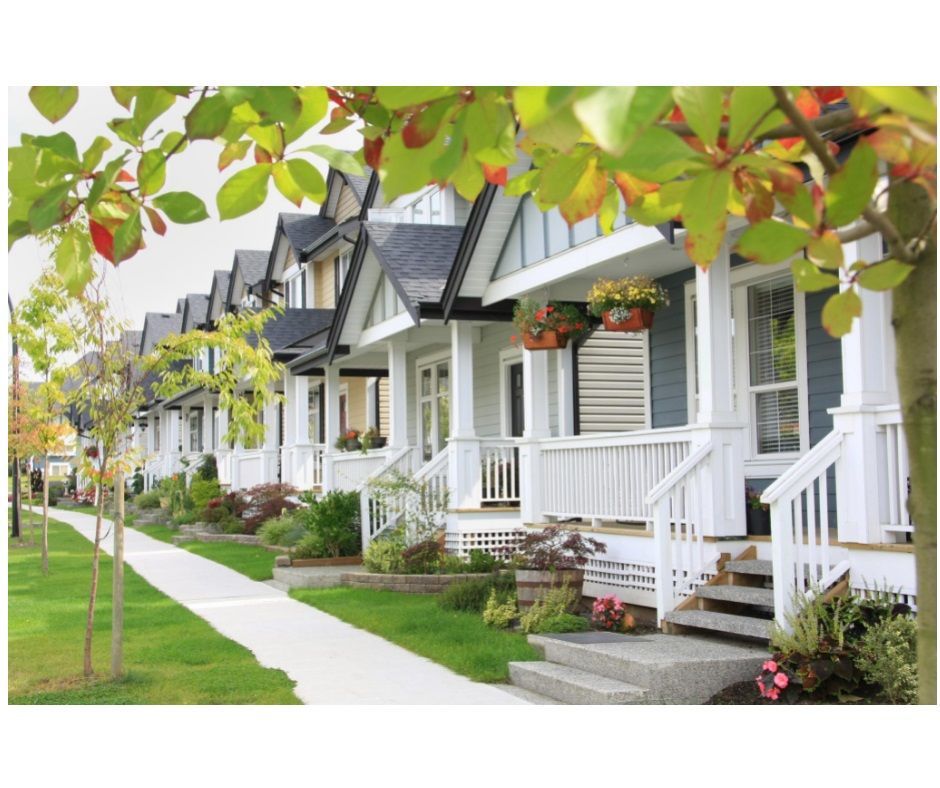
Protective covenants, also known as restrictive covenants, are legal obligations embedded in the deed of a property. These covenants are agreements between property owners that impose certain restrictions or requirements on the use of the land. The primary purpose of these covenants is to maintain a certain standard within a neighborhood, preserve property values, and ensure a harmonious community environment.
For example, a protective covenant may restrict the type of buildings that can be constructed on a property, dictate architectural styles, or set standards for landscaping. These covenants are binding legal agreements, and once they're in place, they can be enforced by the original party who implemented them or by subsequent property owners.
How are Protective Covenants Different from Zoning Rules?
It's important to distinguish protective covenants from zoning rules. While both impose restrictions on how property can be used, they originate from different authorities and serve distinct purposes. Zoning rules are established by local governments and apply universally to all properties within a zoning district. They regulate aspects such as land use, building heights, and density.
On the other hand, protective covenants are private agreements between property owners. They are not governed by public law but by the contract law of the state. While zoning rules can change with new government policies, protective covenants are usually more permanent and can only be altered with the agreement of all parties involved.
How Do They Protect Property Owners?
Protective covenants can provide numerous benefits to property owners. By maintaining certain standards within a community, they help to ensure that the area remains attractive, well-maintained, and free from undesirable uses that could detract from property values. For homeowners, this means a more enjoyable living environment and the assurance that their investment is protected against potential depreciation due to neighboring properties' poor upkeep or unsuitable developments.
What are the Drawbacks of Covenants?
However, protective covenants are not without their drawbacks. They can be perceived as overly restrictive, limiting owners' freedom to use their property as they see fit. For example, you might be prohibited from adding certain features to your home or using your land for particular purposes. Additionally, enforcing these covenants can sometimes lead to disputes between neighbors or between homeowners and homeowners' associations.
Why is it Important to Review Them Before Moving to a Neighborhood Encumbered by Covenants?
Before purchasing a property in Vermont or any neighborhood encumbered by protective covenants, it is imperative to review these legal stipulations thoroughly. Understanding the restrictions and obligations you're agreeing to can help prevent future conflicts and ensure that the property meets your expectations and needs.
Moreover, reviewing the covenants allows you to assess whether they align with your lifestyle and property use goals. It also prepares you for any additional costs or responsibilities you may incur as a property owner in such a community.
In conclusion, protective covenants play a significant role in Vermont's residential real estate landscape. While they offer numerous benefits in maintaining property values and community standards, they also come with restrictions that can impact your property rights. As a prospective homeowner, it's crucial to understand these covenants before committing to a new home. If you have any questions or need legal advice regarding protective covenants, our experienced real estate law team is here to help. We can be reached at https://www.peetlaw.com/.
Remember, a well-informed homebuyer is a protected homebuyer. By familiarizing yourself with the intricacies of protective covenants, you can make informed decisions that safeguard your interests and ensure a harmonious living environment for years to come.