A vital part of our mission is our commitment to maintaining and developing our professional skills and knowledge.
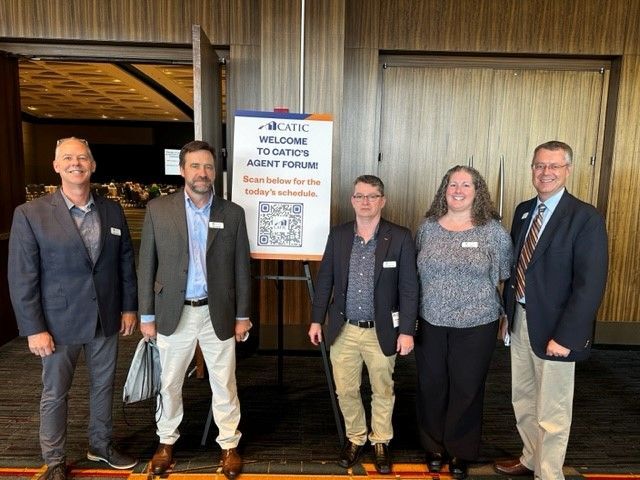
In the dynamic and ever-evolving field of law, staying ahead of the curve is crucial for attorneys to provide exceptional services to their clients. This is especially true for attorneys practicing real estate law. Recognizing the importance of ongoing professional development, the attorneys at Peet Law Group wholeheartedly embrace continuing legal education (CLE) classes.
The legal landscape is constantly evolving, with new laws, regulations, and court decisions shaping the realm of real estate law and title insurance. Attorneys who attend CLE classes are better equipped to navigate these changes effectively. CLE courses offer in-depth insights into recent developments, allowing attorney to remain current on legal precedents and emerging trends. By understanding the latest regulations, attorneys can provide up-to-date guidance, ensuring clients' interests are protected.
Continuing legal education courses offer attorneys the opportunity to deepen their understanding of complex legal concepts and hone their skills. Real estate law and title insurance encompass a wide range of intricacies, including property transactions, contracts, land use regulations, and more. CLE classes provide a platform for attorneys to delve into specific areas of interest or address challenges they commonly encounter in their practice. This knowledge enrichment enables attorneys to deliver comprehensive and effective solutions to their clients' legal issues.
CLE courses serve as a meeting ground for legal professionals from diverse backgrounds and experience levels. Attending these classes fosters valuable networking opportunities, allowing attorneys to connect with colleagues, exchange ideas, and forge mutually beneficial relationships. Building a strong professional network in the real estate law and title insurance domain enhances collaboration and the sharing of best practices, ultimately benefiting the clients served by the Peet Law Group.
Ethics play a fundamental role in the legal profession, and CLE courses often incorporate sessions that explore ethical considerations specific to real estate law and title insurance. These classes provide attorneys with guidance on maintaining the highest standards of professionalism, integrity, and client representation. By continuously refining their ethical compass, attorneys at Peet Law Group ensure their clients receive not only competent legal counsel but also ethical and principled advocacy.
In today's digital age, technology is revolutionizing the legal landscape. Real estate law and title insurance attorneys must remain attuned to technological advancements that impact their field. CLE classes offer insights into emerging technologies that are reshaping property transactions, title searches, and due diligence processes. By embracing technological innovations through CLE, attorneys can streamline their practices and provide more efficient and effective services to their clients.
Continuing legal education is not just an obligation for attorneys; it is a commitment to professional excellence and client satisfaction. The attorneys at Peet Law Group recognize the value of staying informed, developing their skills, and fostering ethical and professional growth through CLE courses in real estate law and title insurance. By attending these classes, they ensure they are equipped with the latest legal knowledge, remain at the forefront of industry advancements, and continue to serve their clients with competence and dedication.