
Vermont’s New Flood Risk Disclosure Law Explained: A Guide for Real Estate Transactions
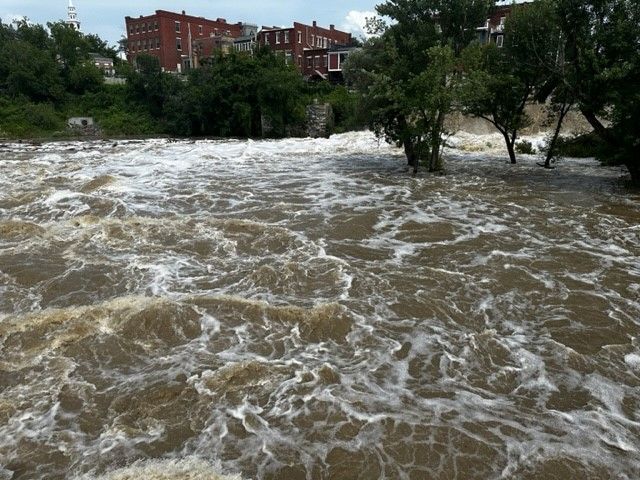
Vermont recently enacted a significant new law affecting the real estate market. This law imposes a flood risk disclosure requirement which aims to provide greater transparency for prospective home buyers regarding flood risks associated with properties. Here’s what you need to know about this new requirement if you are planning to buy or sell real estate in Vermont.
What Does the New Law Entail?
The new law mandates that sellers must disclose specific information about the flood risk of their property before or as part of a real estate contract. This includes:
1. Flood Hazard Area Disclosure:
- Whether the property is located in a Federal Emergency Management Agency (FEMA) mapped special flood hazard area.
- Whether the property is in a FEMA mapped moderate flood hazard area.
2, Flood History:
- Any instances of flooding or flood damage to the property while it was under the seller's possession. This includes damage from inundation, flood-related erosion, or landslides.
3. Flood Insurance:
- Whether the seller maintains flood insurance on the property.
Buyer Protections Under the New Law
The law provides several protections for buyers, ensuring they have the necessary information to make an informed decision:
- Contract Termination:
- If the seller fails to provide the required information, the buyer has the right to terminate the contract before the transfer of title or occupancy.
- Legal Recourse:
- Buyers who do not receive the necessary disclosures can sue the seller for damages and reasonable attorney’s fees.
- In cases where the seller knowingly fails to provide the required information, buyers may seek punitive damages.
Seller Protections and Liability
Sellers are also given certain protections under this law:
- Liability for Errors:
- Sellers are not liable for errors, inaccuracies, or omissions in the provided information if these were based on information from a public body or another licensed professional. The seller must have reasonably believed this information to be correct and provided it to the buyer.
- Marketability of Title:
- Noncompliance with the disclosure requirements does not affect the marketability of the property's title.
Practical Steps for Sellers
To comply with the new law and avoid potential legal issues, sellers should take the following steps:
1. Consult Professionals:
- Engage with licensed professionals to obtain accurate flood risk assessments and reports.
2. Maintain Transparency:
- Be upfront and transparent about the property's flood history and insurance status.
3. Provide Comprehensive Information:
- Ensure all necessary disclosures are made before or as part of the sales contract.
Conclusion
This new flood risk disclosure requirement marks a significant step towards greater transparency in the Vermont real estate market. As a buyer, you are now better protected and informed about potential flood risks. As a seller, understanding and complying with these requirements will help you avoid legal complications and ensure a smoother transaction process.
For further information or assistance with the flood risk disclosure process, feel free to contact our office. Our team of experienced real estate attorneys is here to help you navigate these new requirements and ensure a successful real estate transaction.