Shared Driveways in Vermont: A Homeowner's Guide to Legal and Financial Responsibilities
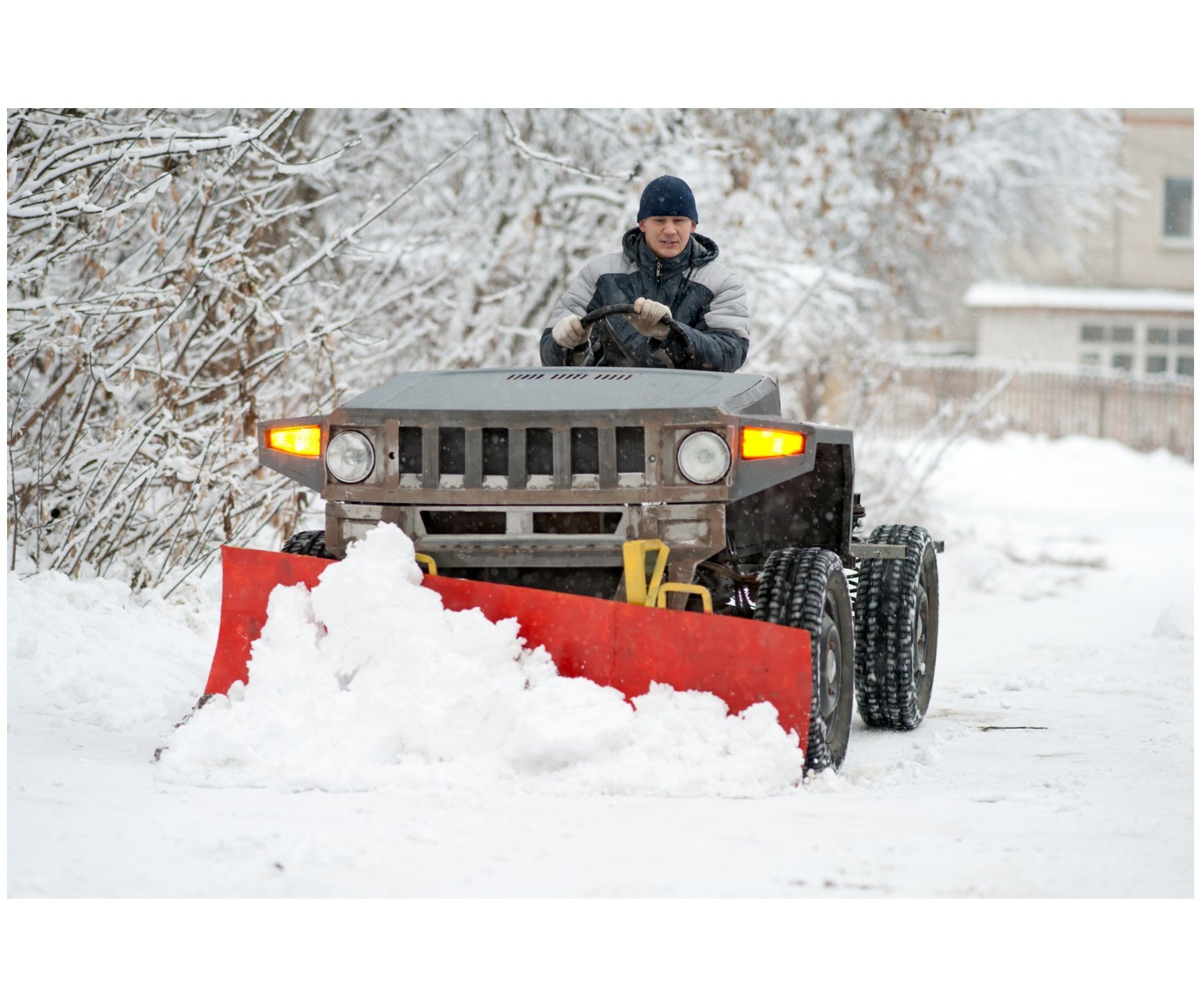
In Vermont, shared driveways and rights of way are a common feature of residential properties. The picturesque snowy winters, while idyllic, bring about practical considerations, particularly when it comes to the maintenance of these shared spaces. A key question that often arises is: who is responsible for snow plowing and other road maintenance costs?
Vermont Statute: Title 19 - Private Road Maintenance
The answer partly lies in a Vermont statute, specifically Title 19, Chapter 027: Private Roads, Section 2702. This section is pivotal for homeowners sharing a driveway. It states:
"In the absence of an express agreement or requirement governing maintenance of a private road, when more than one person enjoys a common benefit from a private road each person shall contribute rateably to the cost of maintaining the private road and shall have the right to bring a civil action to enforce the requirement of this section." (19 V.S.A. § 2702)
This means that in the absence of a specific agreement, all parties benefiting from the shared driveway are legally obligated to contribute to its maintenance.
The Role of Formal Road Associations
Sometimes, homeowners may form a formal road association. This is an organized group that collectively manages and finances the maintenance of a shared driveway or private road. Such associations are typically governed by bylaws that outline the responsibilities of each member, including financial contributions, decision-making processes, and procedures for handling disputes.
Benefits of Following Established Procedures
- Clear Responsibilities: Having a formal procedure, whether it’s a written agreement between neighbors or a more formal road association, helps clarify each party's responsibilities. This clarity is crucial, especially in emergency situations or severe weather conditions.
- Financial Fairness: By agreeing on the share of costs in advance, all parties ensure financial fairness. This pre-emptively resolves any disputes over who pays what and how much.
- Conflict Resolution: Established procedures often include methods for resolving disagreements. This can range from mediation to more formal legal recourse, providing a structured way to resolve issues.
- Enhancing Neighbor Relationships: Following agreed-upon procedures fosters a sense of community and cooperation among neighbors. It can lead to better relationships and a more harmonious living environment.
- Legal Protection: In cases where disputes escalate, having a formal agreement or being part of a road association provides legal standing. This can be crucial in defending one's rights and responsibilities.
Conclusion
For homeowners in Vermont with shared driveways, understanding and navigating the state's laws and statutes is crucial. It’s advisable to establish clear, fair, and legally sound agreements or join a formal road association to manage shared driveway responsibilities. Not only does this ensure compliance with legal requirements, but it also promotes good neighborly relations and helps maintain the tranquility and beauty that Vermont is known for.