
Boundary Line Agreements in Vermont: How to Resolve Property Line Disputes

Boundary issues are one of the most common and costly problems affecting Vermont real estate. Whether it is an old stone wall, a misplaced fence, or conflicting surveys, uncertainty about property lines can delay sales, create disputes, and reduce property value. A boundary line confirmation agreement is one of the most effective legal tools available to resolve these issues permanently.
A boundary line confirmation agreement is a written legal agreement between neighboring property owners that establishes the exact location of a shared boundary line.
• Where the boundary line is located
• That the agreed line is binding on both properties
• That the agreement will be recorded in the land records
Once recorded, the agreement becomes part of the chain of title for both properties.
Boundary line confirmation agreements are commonly used in Vermont when:
• Two surveys show conflicting boundary lines
• A fence, driveway, or structure crosses a property line
• Old deeds contain vague or inconsistent descriptions
• A stone wall or natural feature has been treated as the boundary for many years
• A buyer or title company raises a boundary concern before closing
These situations are especially common with older rural properties, where descriptions may rely on outdated landmarks.
A survey is important, but it does not always solve the problem.
A surveyor provides an opinion of where the boundary is located based on available evidence. However:
• Different surveys may reach different conclusions
• Historical use of land may conflict with surveyed lines
• Title companies may still require resolution before insuring
A boundary line confirmation agreement resolves the issue legally and permanently, rather than leaving it open to interpretation.
How the Process Works in Vermont
The parties, often with their attorneys, identify the uncertainty or dispute.
A licensed surveyor may be hired to map the boundary and provide a clear reference.
The neighbors agree on a specific boundary location, sometimes as a compromise.
If a boundary line is being moved as part of a compromise rather than confirming an existing line, municipal and state permits may be required.
A Vermont real estate attorney prepares a formal agreement describing the boundary.
The agreement is signed by all parties and recorded in the town land records.
A properly drafted and recorded boundary line confirmation agreement can:
• Prevent future disputes between neighbors
• Satisfy title insurance requirements
• Allow a real estate transaction to proceed
• Clarify ownership for future buyers
• Avoid costly litigation
In many cases, this is a far more efficient and cost-effective solution than going to court.
It Must Be Precise
The agreement should include:
• A clear legal description
• Reference to a survey or plan
• Language binding future owners
Lender Approval May Be Required
If there is a mortgage on the property, lender consent may be necessary.
Unrecorded agreements may not protect against future claims.
While related, this is a voluntary agreement, not a legal claim based on long-term use.
Boundary line agreements are frequently used in situations like:
• A neighbor’s driveway crosses onto your land
• A barn or shed encroaches over the line
• Lakefront properties with unclear lot divisions
• Wooded land where boundaries were never clearly marked
If you are buying or selling property in Vermont, unresolved boundary issues can:
• Delay closing
• Create financing problems
• Lead to post-closing disputes
Addressing the issue with a boundary line confirmation agreement before closing can save significant time, money, and stress.
Boundary line confirmation agreements are a practical and effective way to resolve uncertainty and protect property rights in Vermont. Given the age and rural nature of many properties in the state, these agreements are often essential to ensure clear and marketable title.
If you are facing a boundary issue or your transaction has raised concerns, working with an experienced Vermont real estate attorney can help you reach a clear and lasting solution.

Selling a Vermont home with a mortgage? Learn how your mortgage is paid off at closing, how payoff statements and discharges work, and what happens if an old mortgage appears in the land records.

Learn when a Vermont seller may cancel a home sale and what can happen if a seller refuses to close.

Learn what a low Vermont home appraisal means for buyers and sellers, including financing, price negotiations, contingencies and closing options.

Peet Law Group was named Best Vermont Law Firm in the 2026 Seven Daysies Awards for the fourth consecutive year. Thank you to our clients and industry partners.

Learn what closing costs Vermont home sellers typically pay, including real estate commissions, attorney fees, mortgage payoffs, taxes, and non-resident withholding.

Learn what to review before closing on a Vermont condo purchase, including resale certificates, special assessments, association finances, insurance, rules, and more.

Learn what closing costs Vermont home buyers pay, including transfer tax, title insurance, attorney fees, lender costs, escrow deposits, and more.

Why Every Married Vermont Homeowner Should Understand Tenancy by the Entirety

Buying or Selling a Home in Vermont? Here's What Happens After the Contract Is Signed
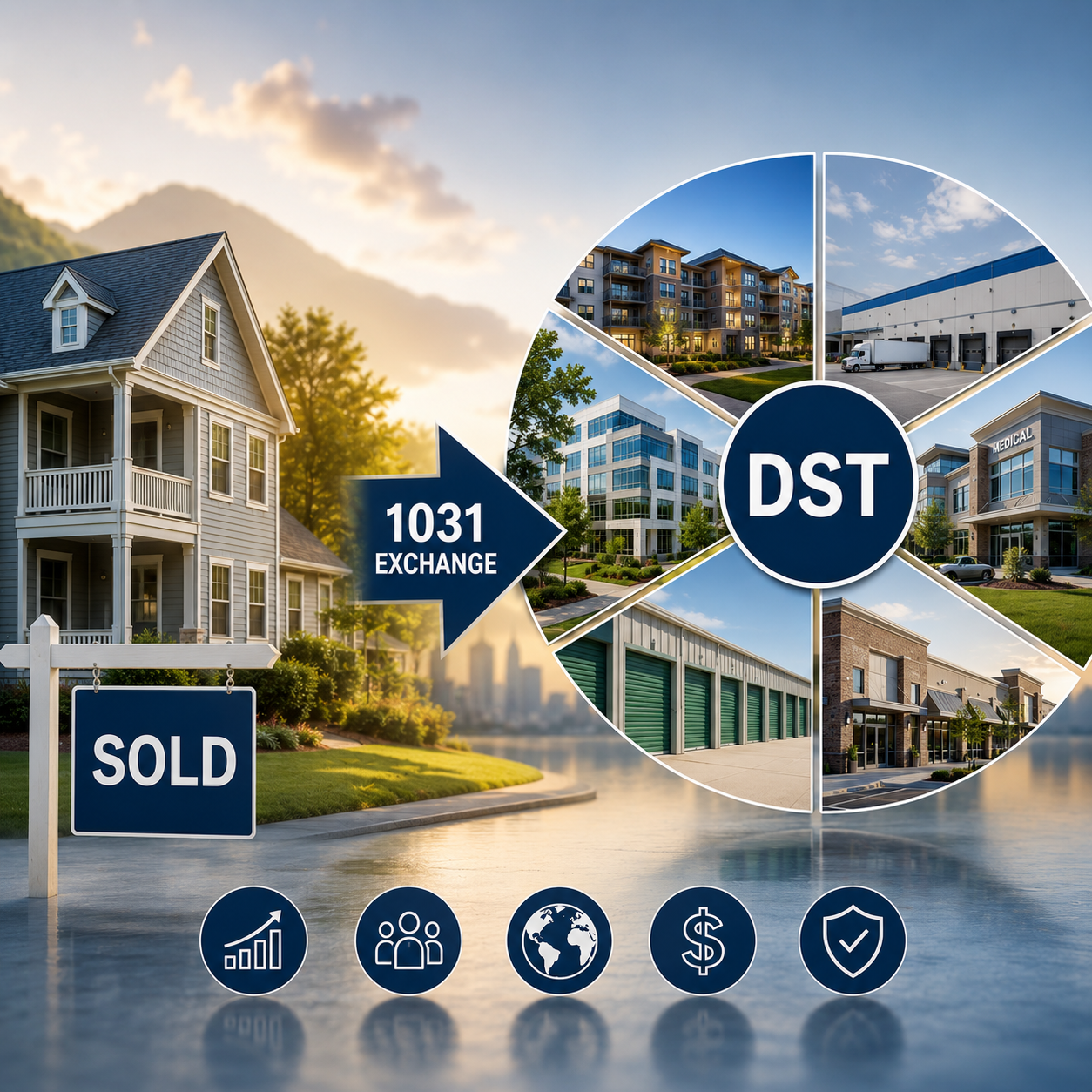
A Delaware Statutory Trust Can Help You Defer Capital Gains Taxes While Transitioning From Active Property Management to Passive Real Estate Ownership