
Combating Seller Impersonation Fraud in Vermont
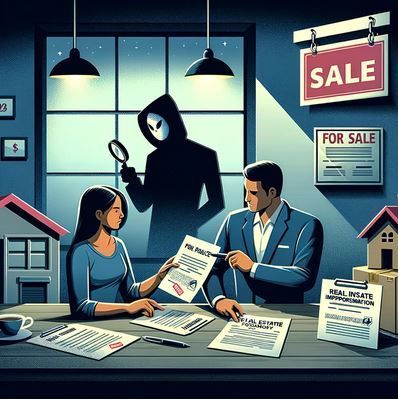
Seller impersonation fraud is an increasingly serious issue in the real estate industry, and Vermont is no exception. Our office has identified and stopped several fraud attempts involving local properties.
This type of fraud involves a scammer impersonating the owner of a property, often one that is vacant or unoccupied, to illegally benefit from the sale. The deed and conveyance documents are forged by the scammer. In a recent survey, 54% of real estate professionals reported experiencing at least one attempt of seller impersonation fraud in the past six months, and 77% have noticed an uptick in these attempts.
.
Impact on Buyers and Real Estate Transactions
The impact of seller impersonation fraud on buyers and real estate transactions can be substantial:
- Financial Loss: Buyers risk losing their investment if they unknowingly purchase a property from a fraudulent seller.
- Legal Complications: Engaging in a transaction with a fraudulent seller can lead to complex legal issues and disputes over property ownership.
- Trust Erosion: These scams can erode trust in the real estate market, making buyers more cautious and potentially slowing down legitimate transactions.
Red Flags of Seller Impersonation Fraud
Several red flags can help identify potential seller impersonation fraud:
- Absentee Owners: Properties listed as non-owner occupied, such as vacant land, rental properties, or vacation homes.
- Low-Priced or All-Cash Deals: Sellers listing properties below market value and preferring all-cash transactions.
- FSBO, Unknown Seller: Properties listed for sale by owner on public platforms without any known connection to the seller.
- Communication Patterns: Sellers who avoid face-to-face or phone conversations, relying solely on text or email.
- Rush to Close: Sellers who quickly agree to all terms, showing no concern for fees or commissions.
- Refusal to Attend Closing: Sellers who are unwilling to attend closing in person, often signing documents remotely.
- Suspicious Wire Instructions: Wiring instructions to banks not geographically related to the property.
- Suspicious Phone Number: Phone numbers not matching the property owner’s details or appearing as unknown.
Preventing Seller Impersonation Fraud
To mitigate the risk of seller impersonation fraud, it’s important to work with Realtors and attorneys experienced in identifying this type of fraud. Realtors and attorneys can take steps to confirm the identity of the seller early in the transaction, especially for non-owner occupied properties.
The Role of Title Insurance
Title insurance is crucial for buyers in protecting against the risks associated with seller impersonation fraud. In cases where a buyer unknowingly purchases a property from a fraudulent seller, title insurance serves as a safeguard, offering financial protection against any resulting losses or legal claims. It essentially ensures that the buyer's investment in the property is secure, even in the event of ownership disputes arising from fraudulent activities. By covering legal costs and potential losses, title insurance provides peace of mind and stability, affirming the buyer's rightful ownership and shielding them from the unexpected financial and legal ramifications of seller impersonation fraud.
Conclusion
Seller impersonation fraud poses a significant threat to the integrity of real estate transactions. Awareness of the red flags, coupled with the implementation of rigorous verification processes, can greatly reduce the risk of falling victim to such scams. Real estate professionals, buyers, and sellers must work together to ensure the authenticity and security of every transaction.